EU AI Act, August 2: Where Does Your AI Agent's Memory Actually Go?
When the next phase of the EU AI Act applies, if your agent's memory runs through a cloud service you own a new question. A local-first, architecture-first take.
On August 2, 2026, the next phase of the EU AI Act applies. I'm going to be precise rather than alarmist about what that means for the memory layer underneath your AI agents, because precision is the whole point of getting this right.
What actually changes
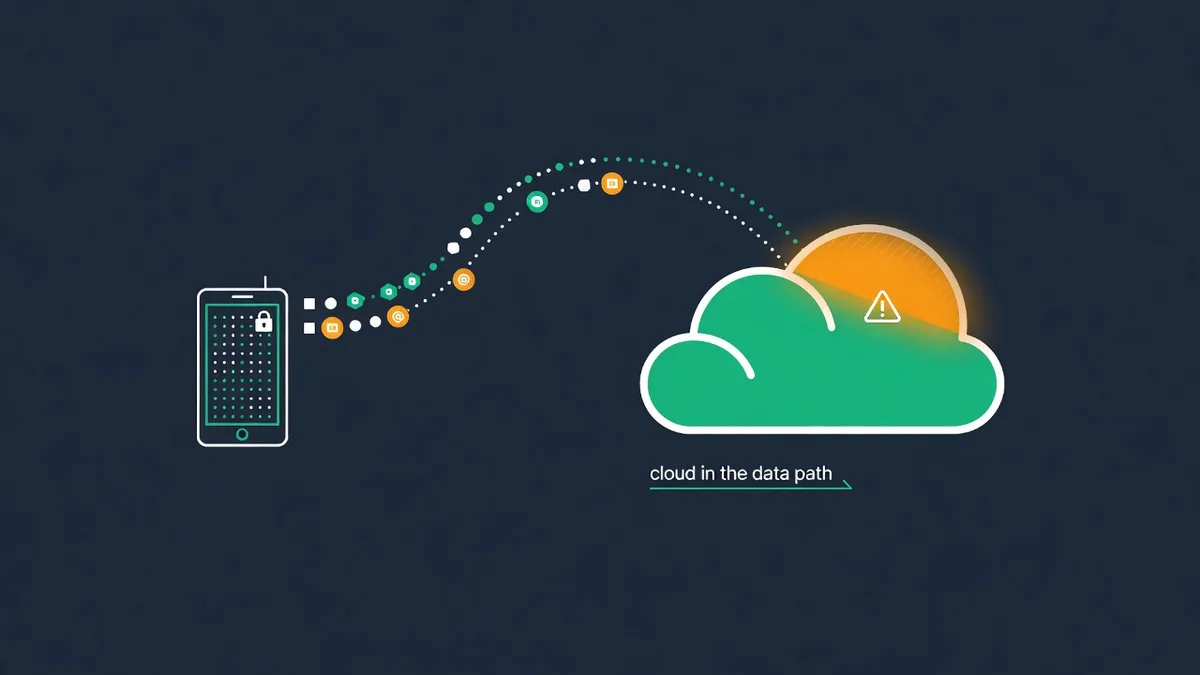
The Act does not ban cloud-based AI memory. What it does is raise the bar on three things for the systems underneath your agents: how personal data is handled, how traceable that handling is, and how reliably you can honour a right to erasure. Pair that with GDPR's existing Article 17, and a specific question gets sharper for anyone with EU customers:
During a normal recall, where does the personal data in your agent's memory physically go?
If your memory layer — Mem0, Zep, Letta, or a homegrown vector DB behind a hosted API — sends that data to a cloud service to embed, store, or retrieve it, that's now a data path you have to be able to explain, audit, and unwind on request. That's not a marketing claim about any of those tools; it's a property of the architecture. Cloud-in-the-data-path is a thing you now own.
The architectural answer (not a legal one)
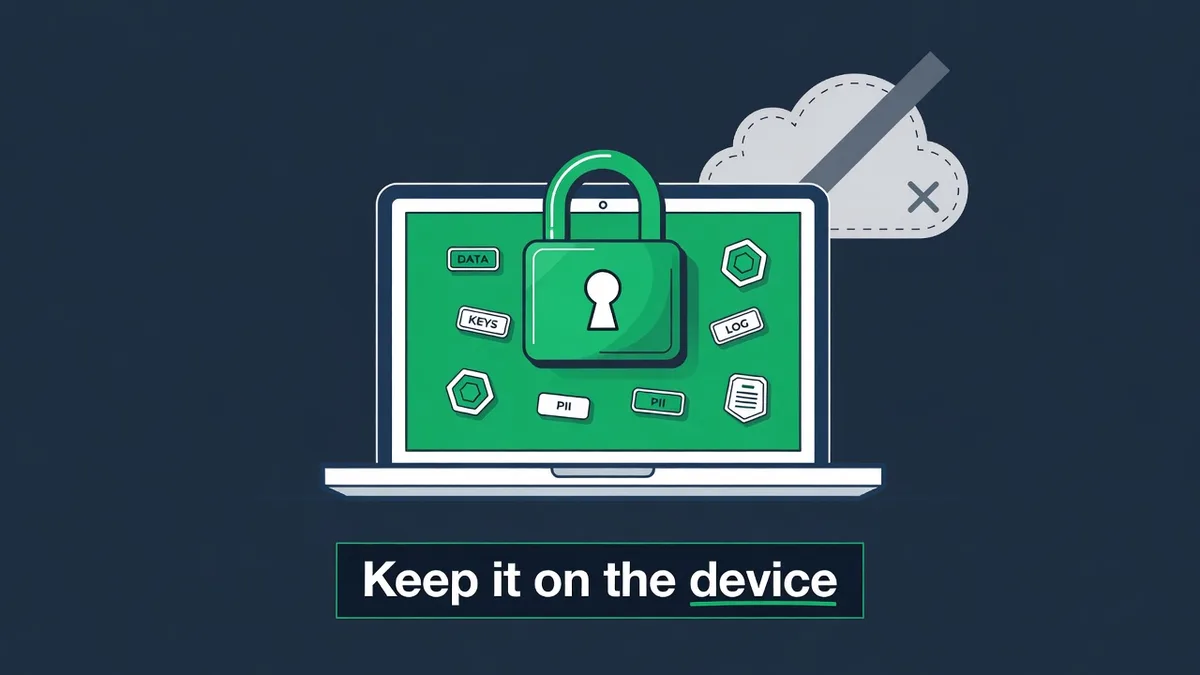
I'm not a lawyer and this isn't legal advice. But there's an engineering move that removes the question instead of answering it: keep the data on the device.
If prompts, embeddings, and stored memories never leave the machine, there is no cross-border transfer to map, no third-party processor to contract, and erasure is a local delete you fully control. You haven't passed a compliance check so much as removed an entire category of exposure from the diagram.
That's the principle behind SuperLocalMemory: a local-first agent memory engine. Modes that do core operations with zero cloud LLM calls mean the sensitive path stays on your hardware by design — your keys, your disk.
"Local" usually means "worse." Here it doesn't have to.
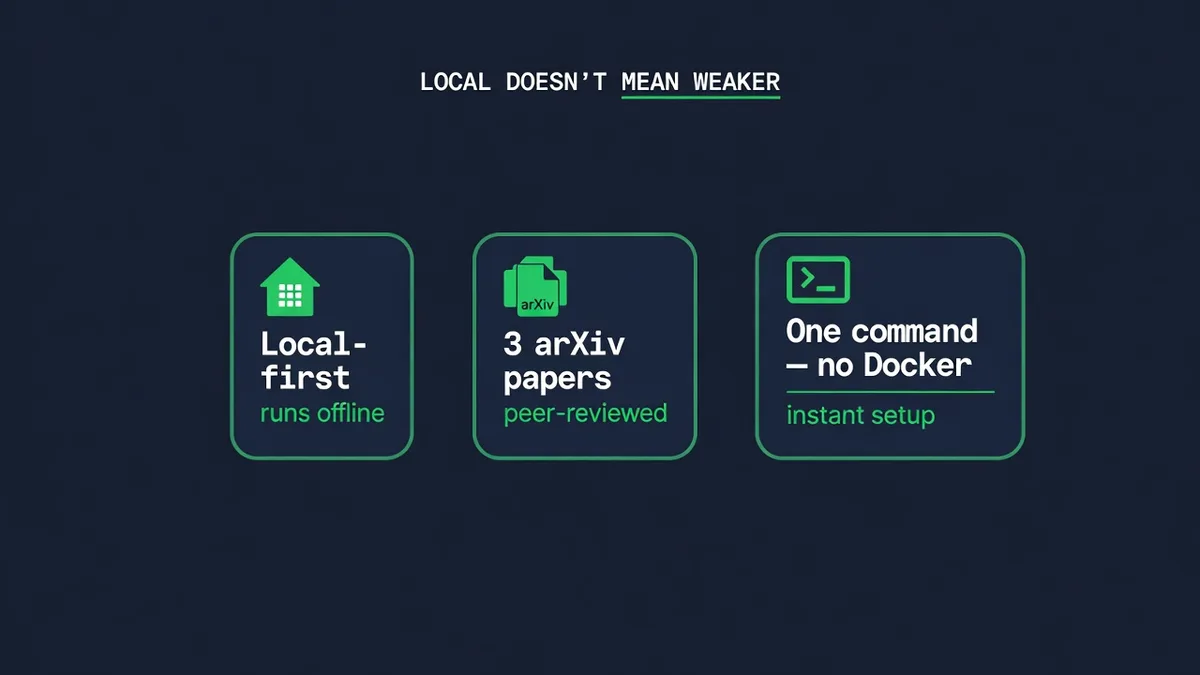
The reason teams reach for cloud memory is the assumption that local means weaker or harder to run. Two things worth knowing:
- The engine is backed by three arXiv papers (2603.02240, 2603.14588, 2604.04514) — a Fisher-Rao retrieval metric, a Riemannian-dynamics memory lifecycle, and biologically-inspired forgetting. It reports a best-in-class zero-LLM retrieval result in its published benchmark. This isn't a thin wrapper.
- Adoption is one command:
pip install superlocalmemory. No Docker, no external database, no Neo4j to babysit.
And as of v3.6 it also caches and compresses your LLM calls locally — so the same install that keeps your data on-device also cuts the bill. Compliance posture and cost optimization from the same decision.
What to actually do before August 2
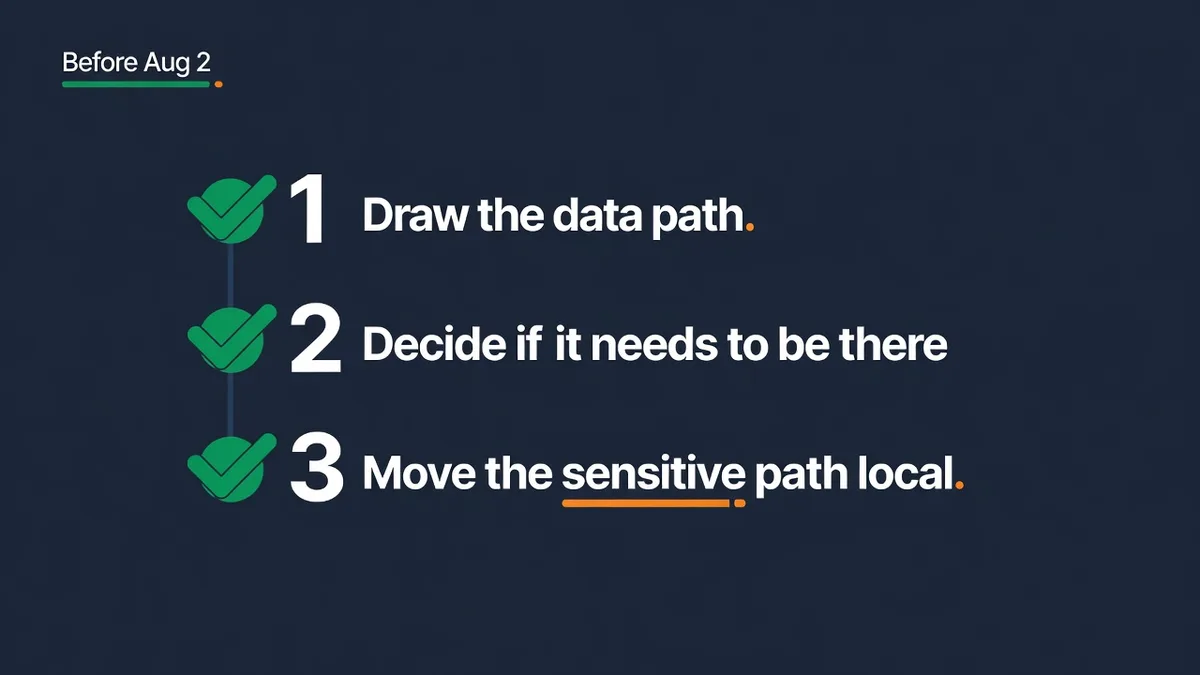
- Draw the data path. For your agent's memory: where does a recall send personal data today? If the honest answer is "a cloud service," write that down.
- Decide if it needs to be there. A lot of agent memory is operational context that has no business leaving the machine.
- Move the sensitive path local where you can. The fewer external processors in the diagram, the smaller the surface you have to defend.
This is the unglamorous core of AI Reliability Engineering: agents become trustworthy not because a vendor promises it, but because of where the data lives and what can be proven about it.
If you have EU customers, the map-your-data-path exercise is worth an afternoon this month.
→ github.com/qualixar/superlocalmemory
Varun Pratap Bhardwaj builds AI Reliability Engineering tools at Qualixar. ORCID 0009-0002-8726-4289